I Killed My First SaaS Before Writing a Single Line of Code
First Build in Public season closed without a single line of code. Shipping policy idea, landing page, real feedback, some backlash in the groups. And the decision to kill it. Still a win in my book.
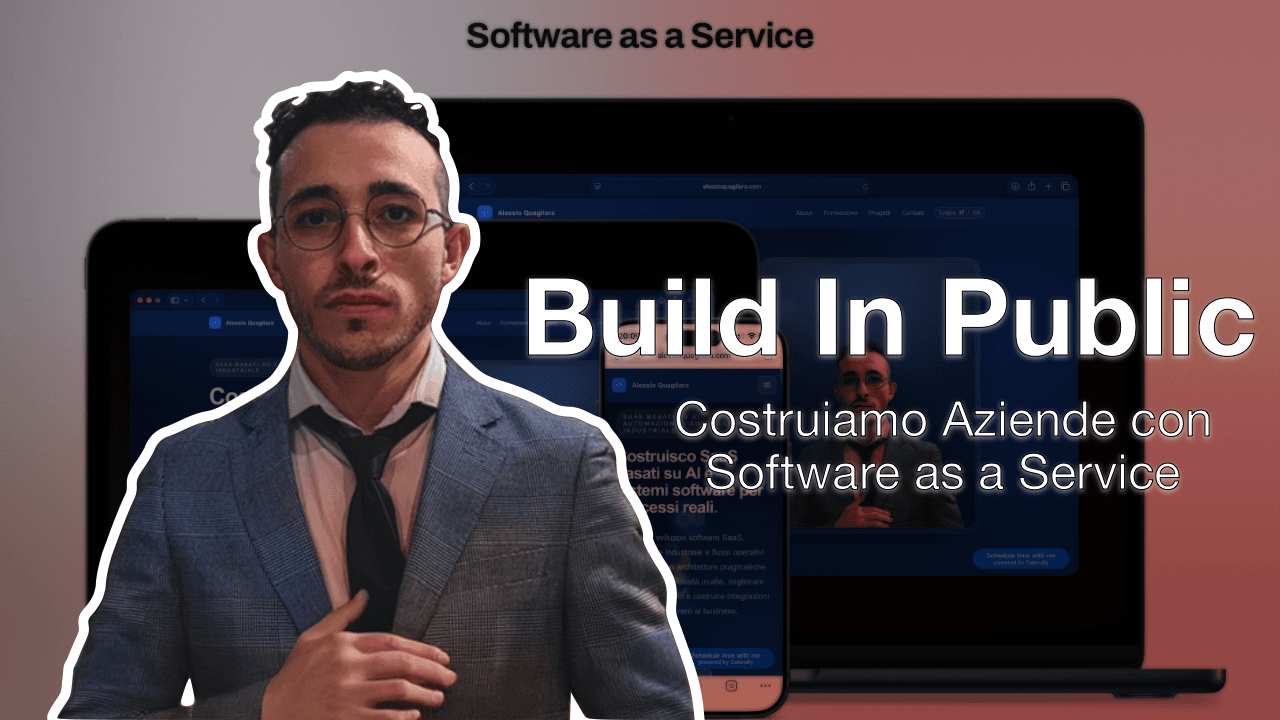
First Build in Public season closed. Zero lines of code written.
And it didn't happen by accident. It was a choice.
In this episode I explain why I killed my first SaaS idea — a tool around ecommerce shipping policies — after talking to real people. Not after six months locked at home writing code for nothing.
The context: a SaaS for shipping policies
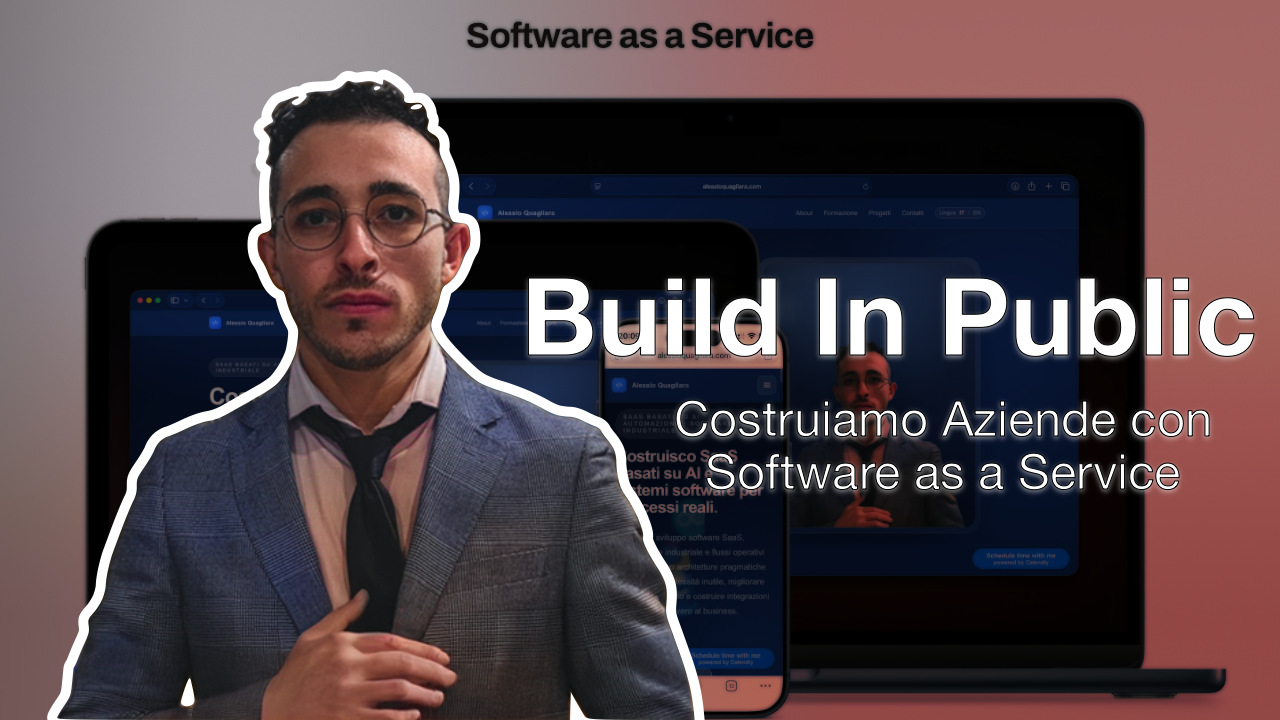
I started from a pain I've had for years: every time I spin up a new Shopify store, I have to rewrite the shipping/returns/policy page from scratch.
It's not just boring.
It's risky: regulations change, markets differ, languages differ, copy needs adapting every time. And the temptation to copy-paste from other sites is always one click away.
The idea was simple:
- a micro-SaaS like "Iubenda but for shipping policies",
- integrations with the main ecommerce platforms,
- guided generation and updating of policy pages.
On paper, sensible. Like every idea on paper.
The test: landing page + Facebook groups + friction
Instead of starting with code, I did the least sexy and most useful thing: a minimal landing page and a serious feedback round.
1. Minimal landing
Very rough landing, no-code builder.
Goal: explain the problem in a few lines, show the idea, collect emails only from people who felt the pain.
No Dribbble-level design. Just:
- clear problem,
- minimal promise,
- short form.
2. Asking publicly in ecommerce groups
Then I brought the conversation where the potential users actually are: Facebook groups for online sellers.
Straight question:
How important are your shipping/returns/policy pages really? Have you ever seen cases where a bad page created issues, or a good one saved you time, money and headaches?
That's where everything came out.
The feedback (including the brutal ones) that changed everything
Some replies confirmed the problem is real.
- "The clearer the policy, the fewer returns and issues you have."
- "If you sell products not covered by standard return rights, the policy must be crystal clear."
- "If you do it well, you're often right and you solve disputes faster."
So yes: the space is real. It touches money, time and support.
But most comments went elsewhere:
- "We're not talking marketing, this is legal stuff: talk to a lawyer."
- "Customers will never read it, it's there to protect the merchant."
- "Why don't you just pay a lawyer, which is even cheaper?"
- "Iubenda, LexDoIt and a thousand other tools already exist. What the hell are you building?"
And that's a big red warning light.
The real issue wasn't technical, it was strategic
Here's what I got from this friction:
- people's mental model is set on "lawyer + legal obligation", not "software that makes my life better";
- the idea of "yet another AI policy tool" is perceived as a commodity. Best case. Worst case, as fluff;
- to shift that perception I'd need to fight a market education war that, honestly, I have neither the energy nor the appetite for.
It's just not the mountain I want to climb. Period.
Why I chose to kill the idea
At that point I had two paths:
- ignore the noise, convince myself "they just don't get it" and lock myself into building for months;
- take the signals seriously, admit the idea no longer excites me, and pull the plug before over-investing.
I chose the second.
Not because building something in this space is impossible.
But because, with my resources and the kind of solo founder I am, the energy I'd need to educate this market doesn't hold up against the risk/return I want.
And that's exactly the point of the series: showing the projects that DIE quickly. Not only the ones that survive.
The hidden win: time and focus saved
Saying "I failed" in season one sounds depressing.
In reality:
- I spent weeks, not years;
- I validated by talking to real people, not to my Notion page;
- I found out I can drop a project without tying my identity to it.
For a solo founder, knowing when to pull the plug is a skill. Not a failure.
Every idea you kill early gives you back time, focus and clarity for the next one.
What I'm taking into the next season
From this mini-season I'm taking three clear filters for upcoming ideas:
- A market that immediately sees the value of software, not just of consulting.
- A problem painful enough that people actively look for solutions, not just comment under a post.
- A space where I see myself happily spending months, not just "an interesting side project I could hack together".
The next Build in Public season starts here.
Not from a genius in a garage who's always right.
But from someone who prefers to fail in public, on small bets, to raise the odds of hitting something big a few attempts down the road.
If you want the full story, with behind the scenes and the emotional side, here's the YouTube episode:
▶ Watch the video: I Killed My First SaaS Before Writing a Single Line of Code