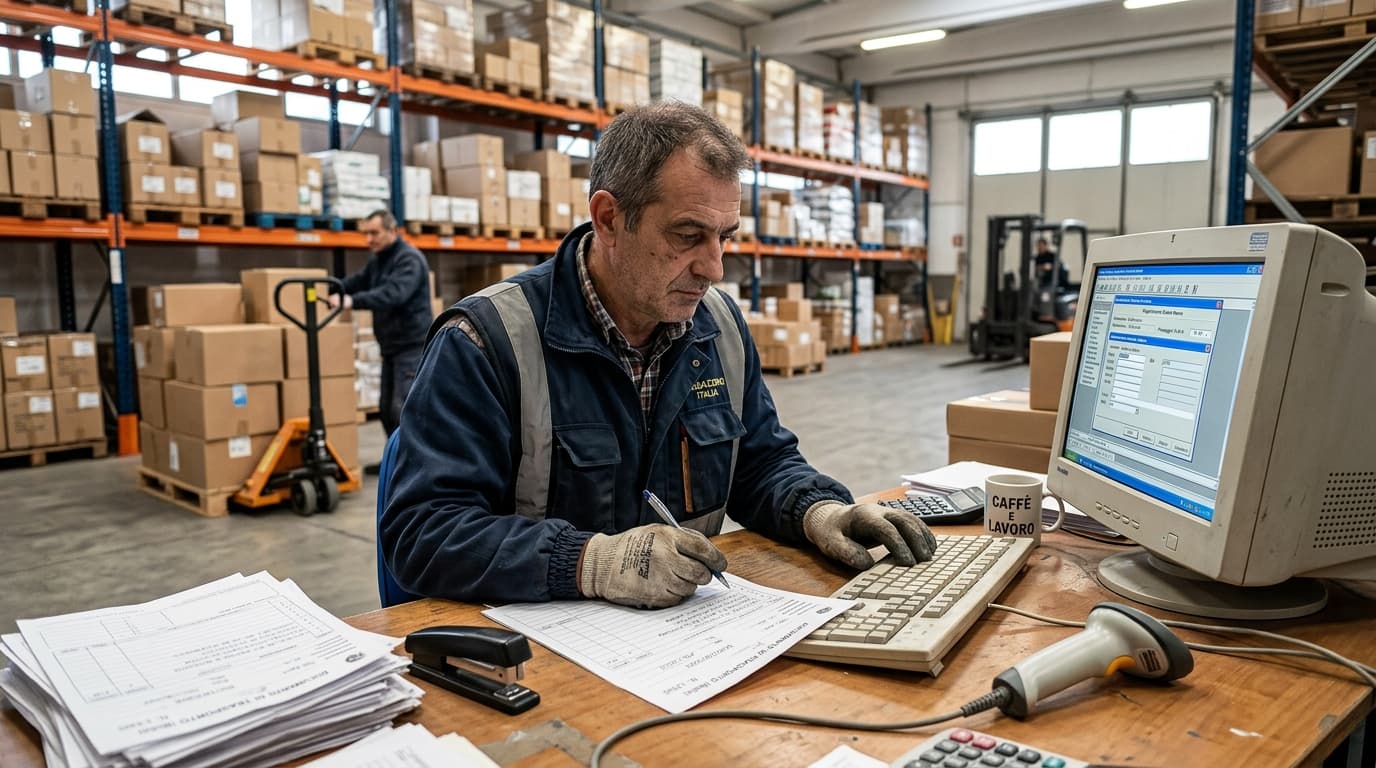
Before you talk to me about AI, look at how we enter a delivery note
A warehouse, a delivery note entered by hand and a slow management system: why it’s worth removing steps from the flow before adding AI. A hypothesis, not a result.
All posts
I write while I build: software, automations, AI, real mistakes.
A build log, no filters.
E-commerce failures, SaaS, AI, side projects: pick a path.

A warehouse, a delivery note entered by hand and a slow management system: why it’s worth removing steps from the flow before adding AI. A hypothesis, not a result.

AI in your company doesn't start with a €50,000 platform. It starts with a concrete problem and a spare PC nobody cares about. Ollama, llama.cpp, and you're off.

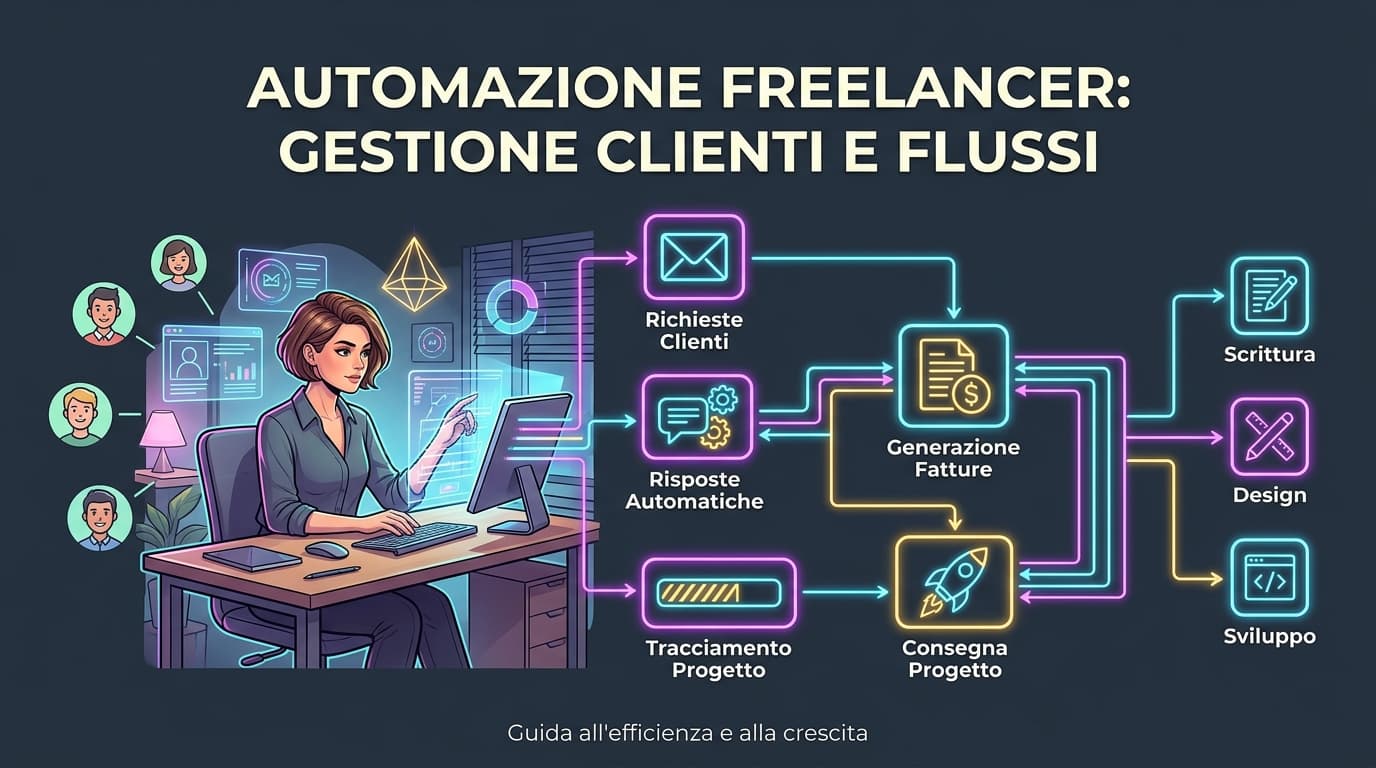
The minimum workflow to stop repeating the same stuff every time: leads, proposals, onboarding and invoices.

Warehouse by day. Software house by night. I told myself it was grit. It was a system paying the company with my sleep.

If a task has no name on it, it does not disappear. It becomes urgent and lands on whoever cannot ignore it. Guess who.

Four partners. Beautiful roles on paper. Then every emergency landed on the CTO. Which was me. Here is how it went.

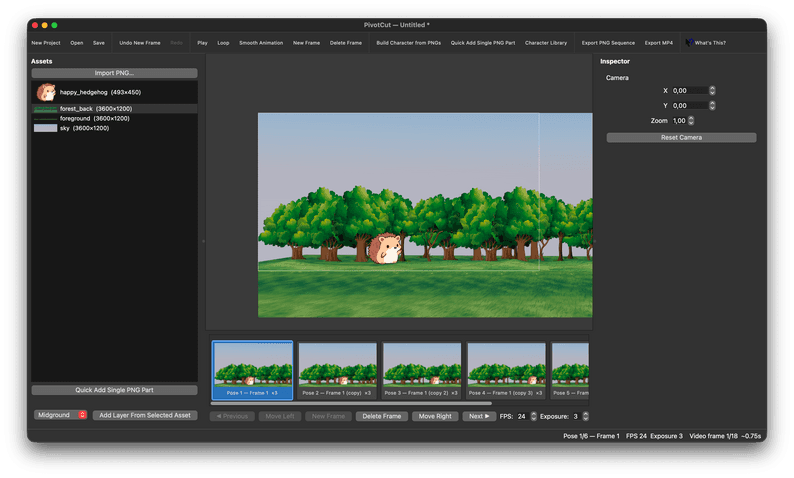
The story behind PivotCut, a macOS app for 2D cut-out animation: from technical constraints and architecture to preparing a first public release on itch.io.

AI was supposed to make us study better. It just gave us more stuff to read. I built RStudy to fix that. No subscriptions, no uploading your notes to someone else's server.

Spotex is done. Clients sold, operations stopped. Yet liquidation keeps burning money and blocking products that are already built.

Before Spotex there was Be Social. Social media services at €100, e-commerce with 600 products uploaded by hand, partners who fell out. A story of mistakes, clients and impossible margins.

A €699 course, a $50 store, a €500-a-month consultant. I did €2,000 in sales in two weeks. Too bad I'd already spent €2,100 on ads and supplier alone.

In 2021 I opened a white-label jewellery store. I learned Shopify, ads and logistics the hard way. I spent more than I sold. Here is how it went.

Years of websites, custom platforms and endless support. Then closure, and the uncomfortable question: would I do it the same way again? No.

We could write code. We couldn't run a company. Here's the difference, and why it cost us everything.

Almost four years, then the decision to close. Not because of debt. Not because of the market. Because we had lost the most important thing: the reason we existed.

Someone asks for an ERP in a month, with AI-generated code already ready. Before saying yes, let's do the math. And the answer usually isn't the one they want to hear.

I’m rethinking LinkBayCMS as a vertical tool that monitors pages losing organic traffic and link value, instead of continuing to chase the idea of a huge and unmanageable CMS.

First Build in Public season closed without a single line of code. Shipping policy idea, landing page, real feedback, some backlash in the groups. And the decision to kill it. Still a win in my book.

How to think about optimizing C code, delegating computations to low-level languages and improving performance. First exercise: count lowercase 'a' and total characters from a file.

Forget polished tutorials: a real logbook begins, made of validated ideas, failures and transparency. To create software that solves problems, not just looks good.

For years I thought the software was the problem. Then I set foot in a factory and realized I was looking at the wrong side.

A technical build log about turning a warehouse problem into a small Flask backend application.

My site promised enterprise architecture. I was consolidating the basics. I stopped pretending.

I used to add pieces to look smart. Now I build the smallest version that makes the problem visible.

What LinkBay-CMS is, the problem that pushed me to build it, the 21-month development journey, and how I registered the trademark with the Italian Patent and Trademark Office: the full story behind the platform for digital agencies and software houses.